
Fish vs. Bovine: Decoding the Functional Differences
Choosing between fish and bovine gelatin isn't just a matter of sourcing; it’s a strategic decision that affects the final consumer experience. Here is why the "Marine Advantage" is becoming a staple in modern R&D labs:
The Melting Point Advantage
The most significant technical difference lies in the amino acid profile. Fish gelatin contains lower levels of proline and hydroxyproline compared to bovine sources.
- The Result: Fish gelatin has a lower gelling and melting temperature (often 5–10°C lower).
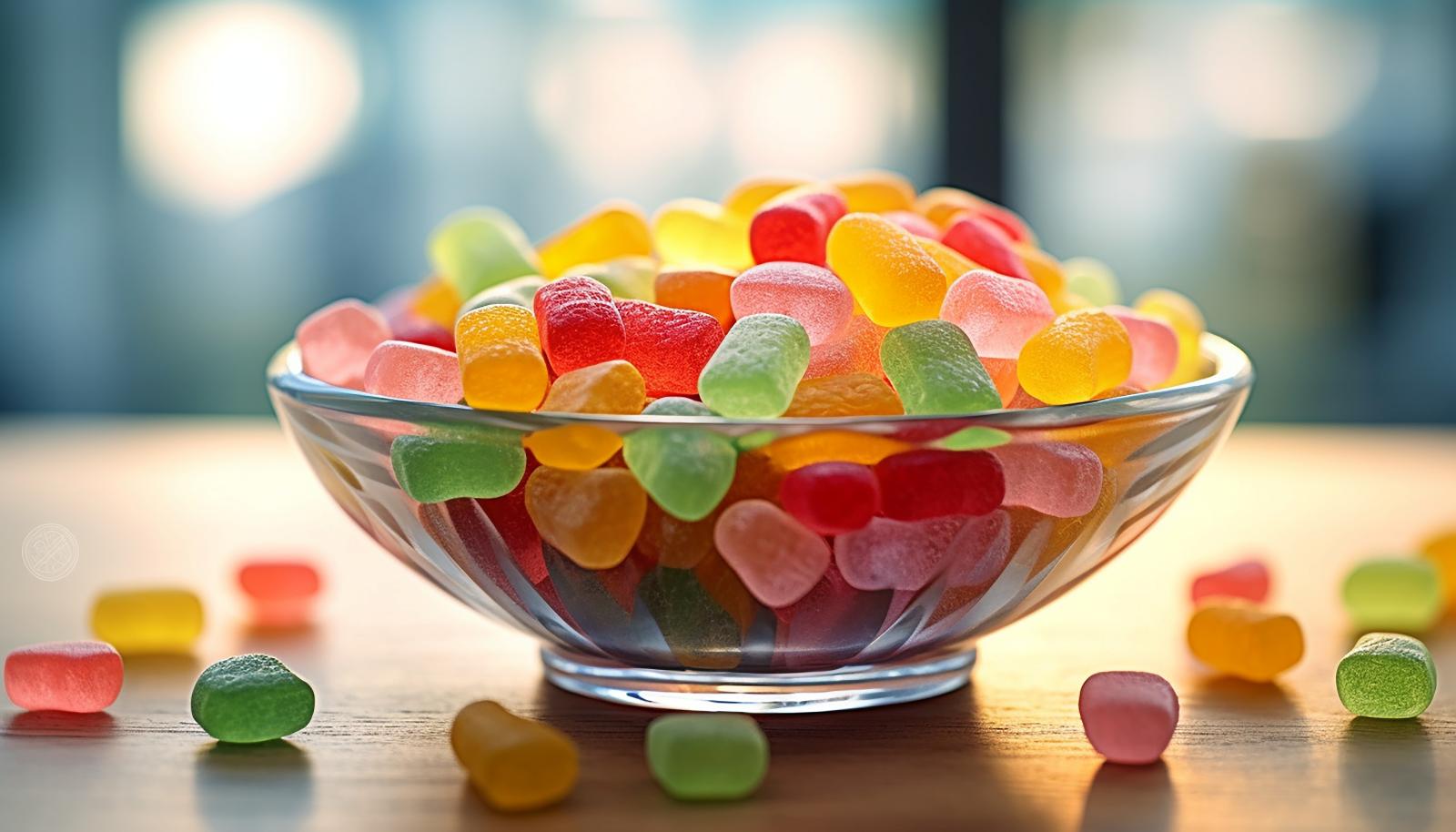
- Application Impact: This creates a superior "melt-in-the-mouth" sensation. In premium confectionery, flavors are released faster and more intensely as the gelatin dissolves at a temperature closer to the human palate.
Exceptional Clarity and Organoleptic Purity
While bovine gelatin can sometimes carry a faint "animal" scent, high-quality fish gelatin—processed through BEYOND BIOPHARMA’s advanced filtration—is almost entirely neutral.
- The Result: Near-zero turbidity and a completely unscented profile.
- Application Impact: Ideal for high-end clear gummies, jellies, and desserts where visual appeal is paramount. It also ensures that delicate fruit or citrus flavors aren't masked by the base ingredient.
Dietary and Regulatory Universalism
- The Result: Fish gelatin is naturally free from BSE/TSE risks associated with mammalian sources and is inherently suitable for Pescatarian diets.
- Application Impact: It simplifies global export. By using fish gelatin, manufacturers can secure Halal and Kosher certifications that are widely accepted without the complexities of bovine slaughterhouse audits.