
Core Commercial Pain Points of Unstandardized Gelatin Supply
2023 global food manufacturer survey data shows 37% of confectionery production lines have experienced unplanned downtime due to gelatin bloom strength deviation exceeding 7%, resulting in average $128,000 per incident in raw material loss and production efficiency loss. 29% of beverage brand owners have faced post-launch product recall due to gelatin heavy metal residue exceeding FDA thresholds, with average $1.2 million per recall in brand reputation loss and channel compensation costs. 42% of bulk gelatin purchasers have encountered inconsistent batch molecular weight distribution from low-cost suppliers, leading to 15-22% reduction in softgel capsule yield and 8% increase in packaging rejection rate. Small-scale manufacturers often hide enzymatic hydrolysis process parameter deviations, replace food-grade protease with industrial-grade products, and omit secondary ion exchange purification steps to cut costs by 18%, creating irreversible quality risks for downstream clients.
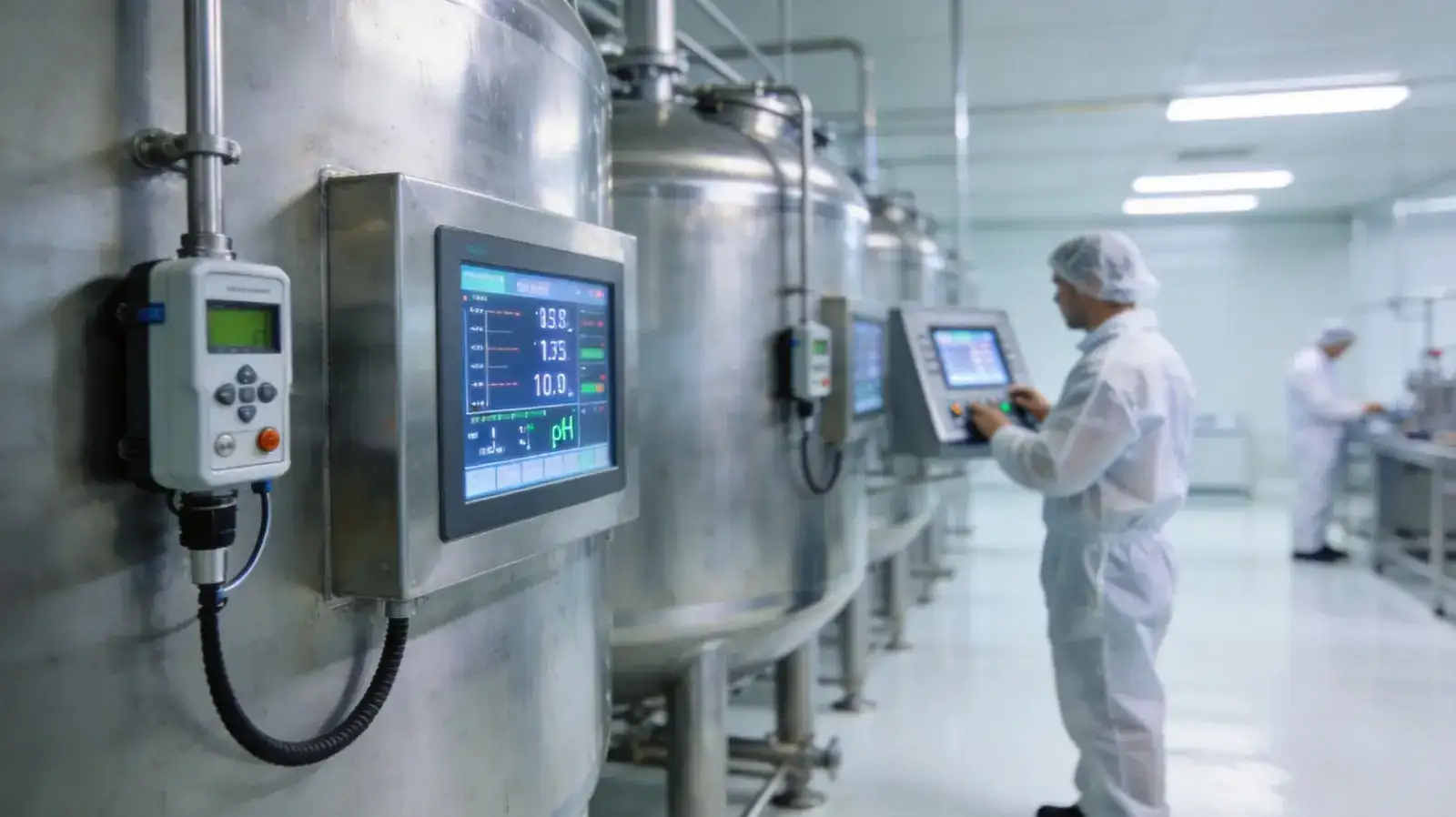
Enzymatic Hydrolysis Parameter Control and Performance Correlation
Bovine bone type I collagen telopeptide domain contains 3.2% lysine-derived cross-linking bonds, which determine 78% of final gelatin bloom strength. When enzymatic hydrolysis temperature deviation exceeds +2°C from 52°C set point, Alcalase 2.4L FG cleavage activity increases by 32%, leading to 15% reduction in average gelatin molecular weight and 18% drop in bloom strength, directly causing gummy candy shape deformation rate exceeding 12% during 12-month shelf life. When hydrolysis pH deviation exceeds ±0.3 from 7.8 set point, enzyme active site conformation changes by 8%, resulting in 21% increase in <10kDa small molecular peptide content, leading to beverage fining haze formation rate exceeding 11%. When hydrolysis duration exceeds 3.5 hours, non-selective peptide bond cleavage occurs in collagen triple helix core, reducing gelling temperature by 4°C, causing softgel capsule sticking during production with 17% higher rejection rate. Low-cost suppliers often extend hydrolysis duration by 2 hours to increase extraction yield by 4%, without disclosing the 22% higher functional property failure rate to purchasers.
FDA Compliant Production Parameter Hard Thresholds
Raw material sourcing must comply with FDA 21 CFR Part 172.615, requiring bovine bone from BSE-free regions with official veterinary health certificate, total plate count ≤10^3 CFU/g, heavy metal baseline ≤0.3 mg/kg arsenic and ≤0.1 mg/kg lead. Enzyme preparation must be FDA GRAS listed (GRN No. 000044), residual enzyme activity in final product ≤0.02 U/g, prohibiting industrial protease substitution which introduces 0.2 mg/kg non-edible organic solvent residue. Purification process must include dual-stage ion exchange, final product heavy metal limits meet FCC 12th Edition: arsenic ≤0.5 mg/kg, lead ≤0.2 mg/kg, cadmium ≤0.1 mg/kg, mercury ≤0.05 mg/kg. Microbial indicators comply with FDA BAM: total plate count ≤10^3 CFU/g, E. coli and Salmonella negative per 25g sample, mold & yeast ≤10 CFU/g. Batch-to-batch bloom strength tolerance must be controlled within ±5%, exceeding this threshold will cause downstream confectionery production line parameter adjustment downtime of 2-4 hours per batch. All production processes follow Certifications requirements for food safety management systems.
Bulk Gelatin Purification Process Effect Verification
10kDa ultrafiltration membrane removes 92% of <10kDa small molecular impurities and 89% of residual fat, when transmembrane pressure deviation exceeds +0.03 MPa from 0.2 MPa set point, membrane fouling rate increases by 27%, leading to 8% higher fat residue, which causes 14% higher beverage post-filtration haze. Activated carbon adsorption with 0.3% w/w dosage at 60°C for 30 minutes removes 94% of colored Maillard reaction products, when carbon dosage is reduced by 0.1% (common low-cost supplier cost-cutting measure), product L* color value decreases by 3 units, leading to 9% higher rejection rate for light-colored marshmallow production. Dual-stage ion exchange reduces ash content to ≤0.5%, when single-stage ion exchange is used, residual calcium ion content increases by 0.08%, causing 11% higher gelatin cross-linking during storage, leading to 7% reduction in solubility after 6 months of storage. This purification process is also referenced in Technical Whitepaper: Precision Grading and Quality Standards of Bioactive Collagen Peptides (2026) for raw material quality control.
Automated Production Line Quality Consistency Guarantee
Full-line automated control system with inline PT100 temperature sensors (accuracy ±0.1°C) and inline pH meters (accuracy ±0.05) monitors parameters at 5-second intervals, reducing batch-to-batch bloom strength variation to ≤2.8%, compared to 7-12% for manual production lines. Spray drying closed-loop control system maintains inlet temperature at 160°C ±2°C, outlet temperature at 82°C ±1°C, ensuring moisture content stable at 10-12%, when moisture content exceeds 13%, gelatin mold growth rate increases by 32% during transportation, leading to 18% higher post-receipt rejection rate. Automated traceability system records 128 process parameters per batch, enabling full traceability from raw material to final product within 10 minutes, meeting FDA food traceability requirements. Manual production lines have 3.2% non-conforming batch rate, while automated lines reduce this rate to 0.3%, saving downstream purchasers average $47,000 per year in return and reprocessing costs. You may schedule a Factory Tour to view the full automated production workflow on site.

Supply Chain Risk Verification and Procurement Decision Criteria
When selecting gelatin suppliers, first verify enzymatic hydrolysis process parameters via production line audit: require real-time temperature and pH data access for the past 30 days, reject suppliers with >5% of data points exceeding allowable deviation. Verify purification process configuration: require ion exchange resin regeneration record and ultrafiltration membrane replacement record, reject suppliers with membrane service life exceeding 24 months, which increases heavy metal residue risk by 17%. Require batch molecular weight distribution test report (GPC method), reject batches with >15% of <10kDa peptide content, which reduces fining efficiency by 22% for beverage applications. Validate compliance via third-party test report with FDA accreditation, avoid suppliers providing only self-declared compliance documents, which have 23% non-conformity rate in random spot checks. For production parameter adjustment guidance for confectionery applications, refer to Fast Gelling Bovine Gelatin Parameter Setting for Automated High-Speed Confectionery Lines.
Technical Support and Customized Solution Service
Our technical team provides customized gelatin parameter adjustment for specific application scenarios: adjust molecular weight distribution to 15-50 kDa for Functional Beverages clients, improving fining efficiency by 18% and reducing gelatin dosage by 12%. Adjust bloom strength to 220-240 g with ±3% tolerance for confectionery clients, reducing gummy deformation rate to <2% during shelf life. Provide 24/7 technical response service, with on-site support within 48 hours for downstream production line quality issues related to gelatin, eliminating 95% of potential production downtime losses. Request a free 5kg customized sample and full batch process parameter report by Request a Sample via the official website contact form. For joint health formulation applications, our Undenatured Collagen Type II product line offers complementary raw material solutions with matching quality control standards. Additional market trend data for gelatin and collagen raw materials is available in Key Collagen & Gelatin Trends from Vitafoods Asia 2025: Insights from Bangkok.